How do Magnetic Bearings Work?
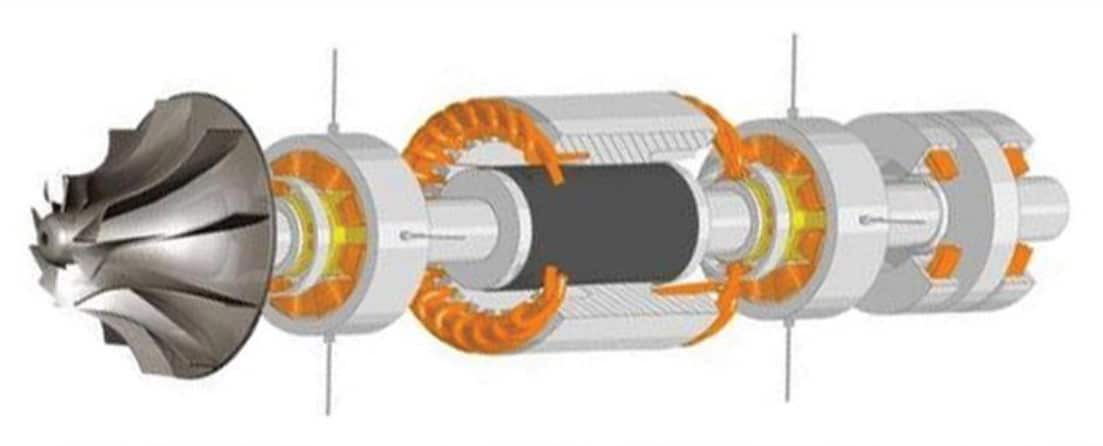
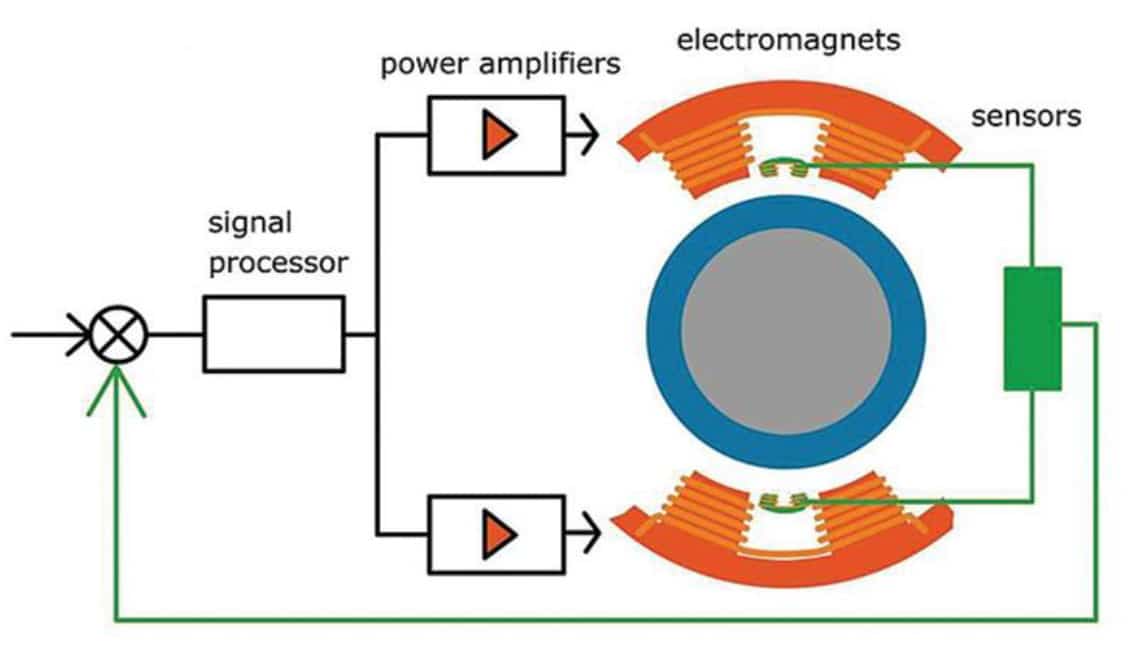
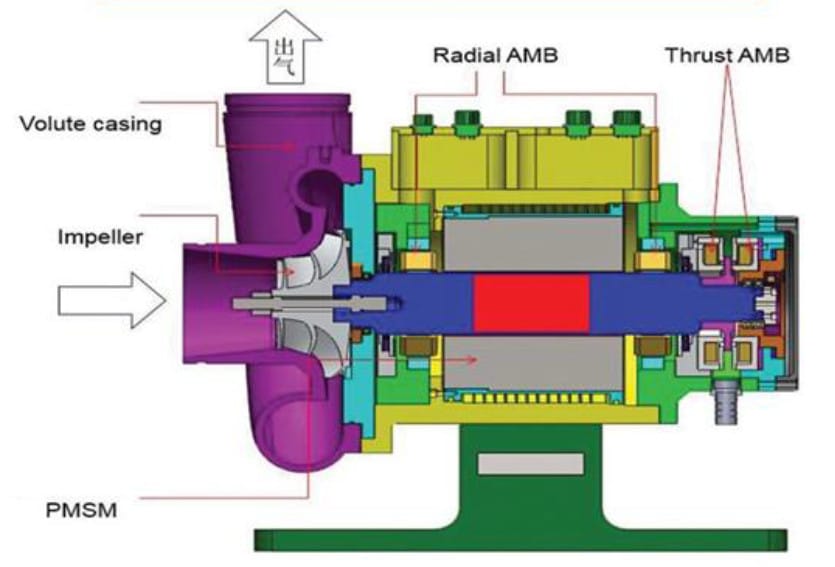
Magnetic bearings work by using a combination of permanent magnets and electromagnets to create a magnetic field that levitates the rotating shaft. The magnetic field generated by the bearings is controlled by a feedback system that constantly monitors the position of the shaft and adjusts the magnetic field accordingly to keep the shaft in the desired position.
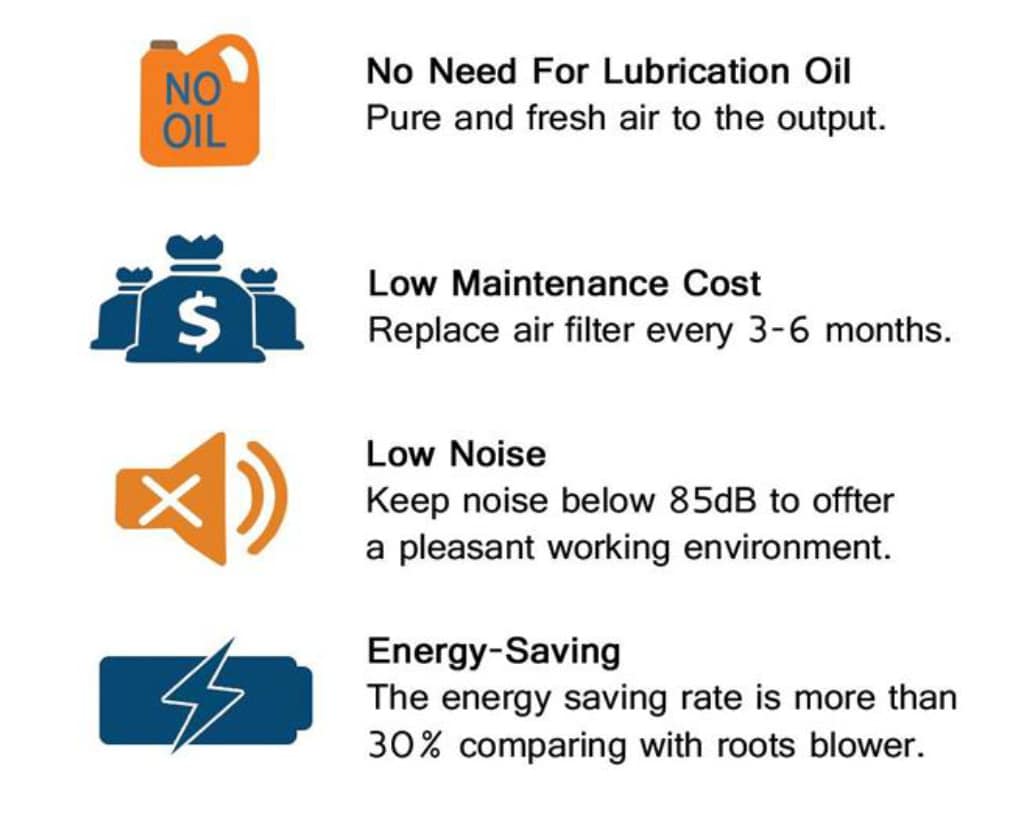
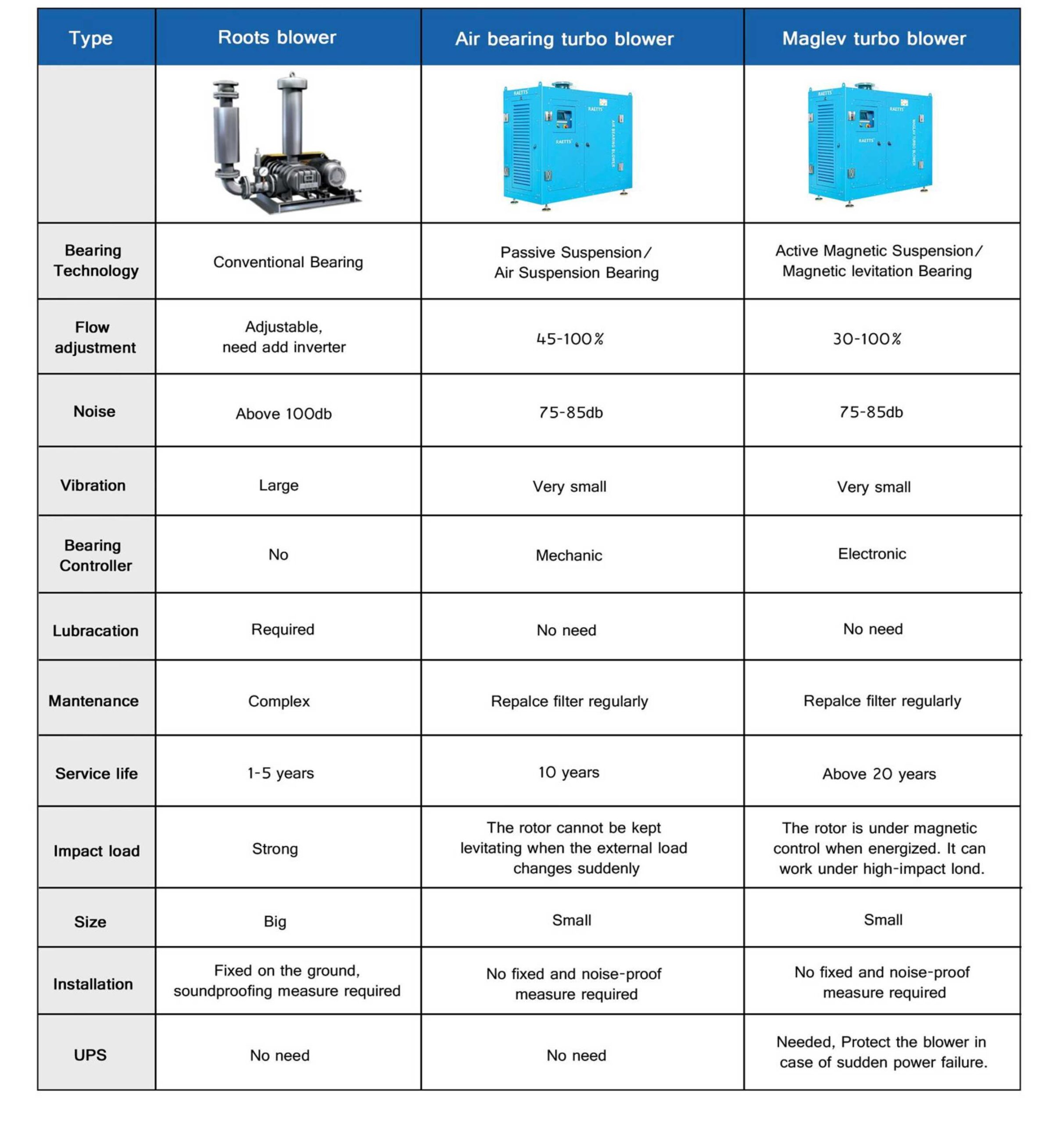
One of the key advantages of magnetic bearings is that they eliminate the need for lubrication, which can be a significant source of maintenance and downtime in traditional bearings. Additionally, magnetic bearings can operate at much higher speeds than traditional bearings, making them ideal for applications where high speed is critical.
There are two main types of magnetic bearings: active and passive. Active magnetic bearings use electromagnets to actively control the position of the shaft, while passive magnetic bearings rely on the magnetic fields generated by permanent magnets to support the shaft.
Active Magnetic Bearings
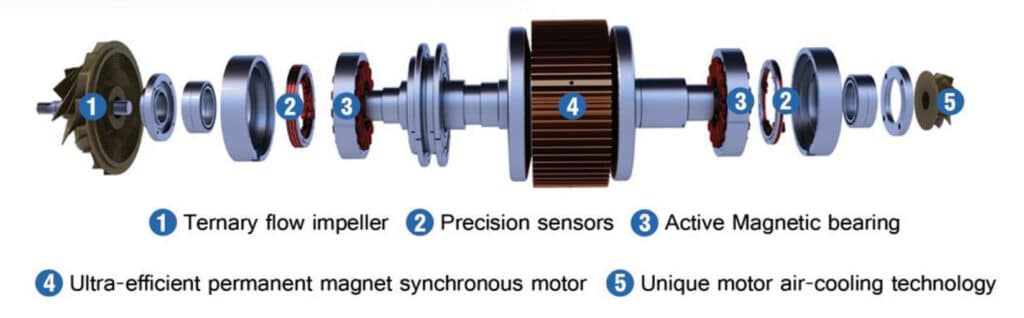
Active magnetic bearings (AMBs) use an electromagnetic field to suspend and control the position of the rotor. They require an external power supply and control system to maintain the magnetic field. AMBs are ideal for high-speed applications and can provide very precise control over the rotor position and speed. They are commonly used in compressors,
blowers, pumps, turbines, and other rotating machinery.
Passive Magnetic Bearings
Passive magnetic bearings (PMBs) use permanent magnets to create a magnetic field that suspends the rotor. Unlike AMBs, PMBs do not require an external power supply or control system. They are simpler and less expensive than AMBs, but they are not as precise and cannot support as much weight. PMBs are commonly used in low-speed applications and can be found in fans, motors, and other machinery.